November is National Muscle Health Month: Why Muscle is Medicine
 by
by 
November is National Muscle Health Month: Why Muscle is Medicine
As physical therapists, one of the first things we like to teach our patients is that muscles are much more than a way to move; they’re essential medicine for your body. Healthy muscles support your metabolism, your immune system, and your ability to stay independent as you age. By taking care of your muscles, you’re not just improving your strength; you’re protecting your long-term health.
Why Your Muscles Matter
Skeletal muscle is the largest individual organ in your body by mass, making up roughly 40–50% of your body weight. Beyond movement, muscles:
- Burn calories at rest: More muscle means a higher metabolism and better energy use.
- Regulate blood sugar: Muscles absorb up to 80% of glucose after meals, supporting healthy insulin sensitivity.
- Support your immune system: Exercise triggers muscles to release myokines, proteins that control inflammation and support defenses.
- Protect independence: Strong muscles help you climb stairs, carry groceries, maintain balance, and perform everyday tasks.
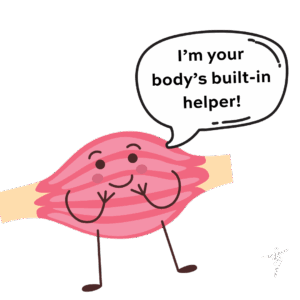
In other words, your muscles are doing a lot more for your health than you might realize.
Muscle Loss Isn’t Inevitable
Some muscle loss is normal with age, but weakness and reduced mobility aren’t unavoidable. Building and maintaining muscle helps you stay independent, prevent injury, and reduce the risk of chronic disease. With the right guidance, you can preserve and even improve your functional strength, making daily life easier and safer.
Muscles as Medicine: What We Mean
When we say “muscles are medicine,” we don’t mean it literally. What we mean is that strong, healthy muscles do more than help you move—they actively support your overall health. Well-maintained muscles:
- Boost metabolism, helping your body burn calories efficiently
- Regulate blood sugar, which can prevent type 2 diabetes
- Support your immune system and help control inflammation
- Protect your independence, letting you perform everyday tasks safely
Strong muscles act like medicine for your body—helping prevent disease, maintain function, and support healthy aging.
Physical Therapy: Your Muscle Prescription
Physical therapy is how we help you “take” that muscle medicine safely and effectively. Through guided, individualized exercises, PT helps your muscles stay strong, flexible, and resilient. Here’s what PT can do for you:
- Build strength safely: Using resistance bands, weights, or bodyweight exercises, we target the muscles that support your daily life.
- Preserve mobility and independence: Exercises are designed to help you move more freely and safely in everyday activities.
- Develop functional strength: PT focuses on the muscles you actually use every day—helping you carry groceries, climb stairs, get up from a chair, and prevent falls.
- Prevent injury and address imbalances: PT helps correct muscle weaknesses or tightness that can lead to falls, pain, or chronic conditions.
- Support recovery: After an injury or surgery, physical therapy helps your muscles regain strength and function.

Even small, consistent efforts like short resistance exercises, standing more during the day, or using a band for 10-minute sessions can have a big impact on your strength, energy, and overall health.
How to Celebrate National Muscle Health Month
Honoring your muscles doesn’t have to be complicated. Here are a few practical ways to keep them strong and healthy this month:
- Move more often: Take breaks throughout your day to stand, walk, or do a few squats. Even short bursts of movement add up.
- Add resistance exercises: Incorporate moves like push-ups, lunges, or resistance band exercises to target your muscles intentionally.
- Take a muscle inventory: Check in with your body and notice any signs of muscle weakness. Look out for:
- Difficulty climbing stairs, standing from a chair, or carrying groceries
- Feeling unusually tired after routine activities
- Trouble maintaining balance or frequent stumbling
- Reduced grip strength or trouble holding objects securely
- Noticeable loss of muscle size or tone over time
If any of these signs sound familiar, it may be time to prioritize strengthening.
4. Work with a physical therapist: A PT can assess your strength, pinpoint weaknesses, and create a personalized plan to help you regain functional strength, prevent injury, and stay independent longer.
5. Set achievable goals: Small, consistent steps lead to lasting results. Track your progress, celebrate milestones, and gradually increase challenges to keep your muscles healthy and resilient.

Takeaway: Your Muscles Are Your Medicine
Strong muscles aren’t just about looking good—they’re about living well. They help you stay independent, fight chronic disease, support healthy aging, and give you confidence in your body every day. Physical therapy is a practical, effective way to keep your muscles healthy, strong, and ready for life.
At The Therapy Network, we’re here to help you make every movement count. Let’s use muscle medicine to protect your health, maintain your independence, and live stronger, longer.