
Athletic Training & Physical Therapy: Better Together
 by
by 
Featuring Paul Lerner, Athletic Trainer at The Therapy Network – Chesapeake
When most people hear the words athletic trainer, they often picture someone on the sidelines of a football game, clipboard in hand, sprinting onto the field after an injury. While that’s certainly part of the story, it’s far from the whole picture.
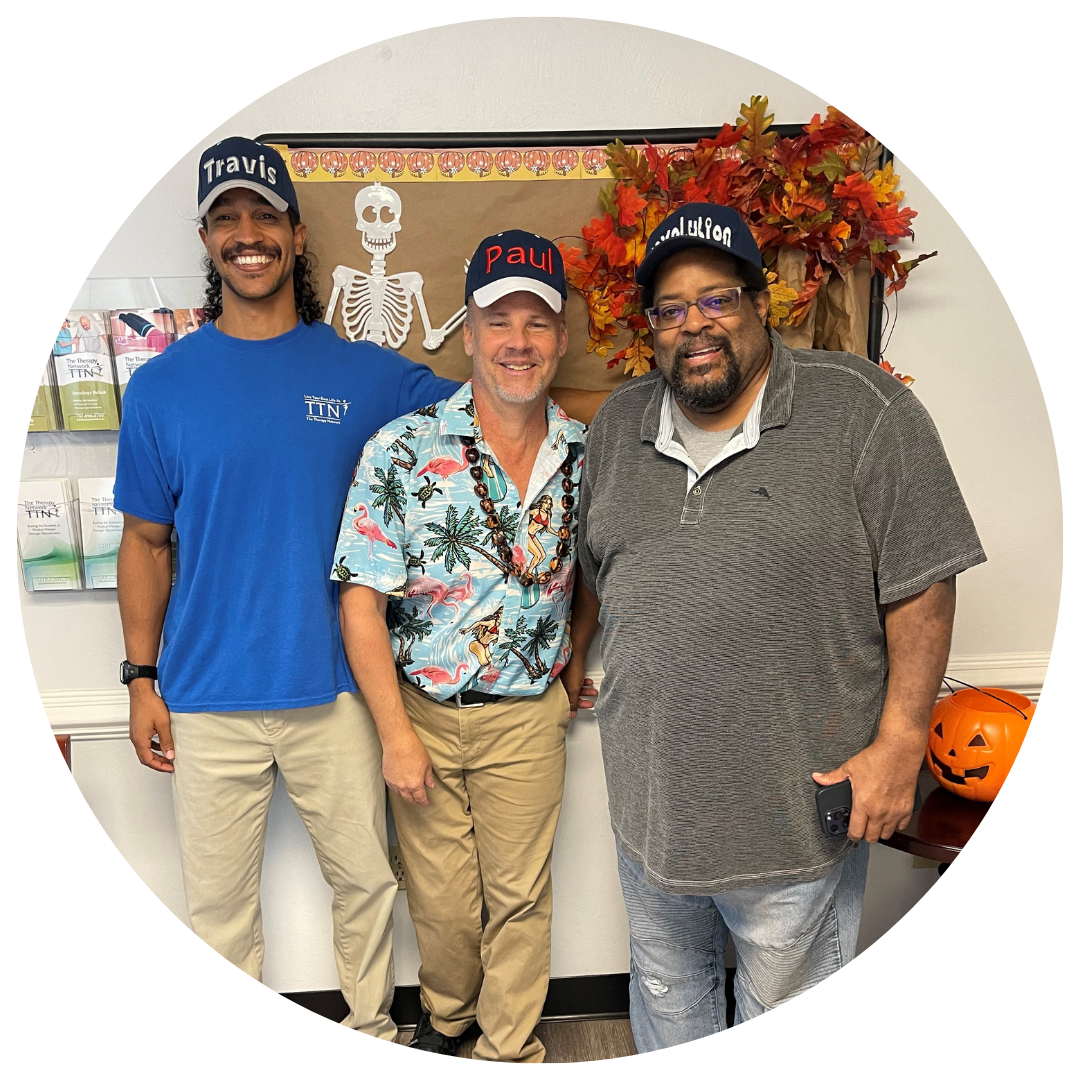
At The Therapy Network, athletic training and physical therapy work side by side every day—collaborating, problem-solving, and guiding patients through recovery with a shared goal: exceptional outcomes. Few people embody that partnership better than Paul Lerner, our athletic trainer whose passion, energy, and lived experience bring something truly special to our clinics.
A Love for Sports—and Recovery
Paul’s path into athletic training started with a love of sports, but what truly inspired him was the desire to recover—to understand the body, its challenges, and its ability to adapt and overcome.
That motivation is deeply personal. Paul was a longtime patient at Shriners Hospital for Children, born with a shorter leg that didn’t include a fibula. Years of care, external fixators, and perseverance shaped not only his physical journey, but his outlook on recovery.
“That leg walked me to college,” Paul shares, “and into a very rewarding career at The Therapy Network.”
That experience gave him what he describes as an intense edge—a tenacity and empathy that patients feel the moment they work with him.
What Athletic Trainers Really Do
One of the biggest misconceptions about athletic training is right there in the name. As Paul puts it, the “nomenclature” can be misleading. Athletic trainers aren’t just for athletes, and they don’t only work on the sidelines.
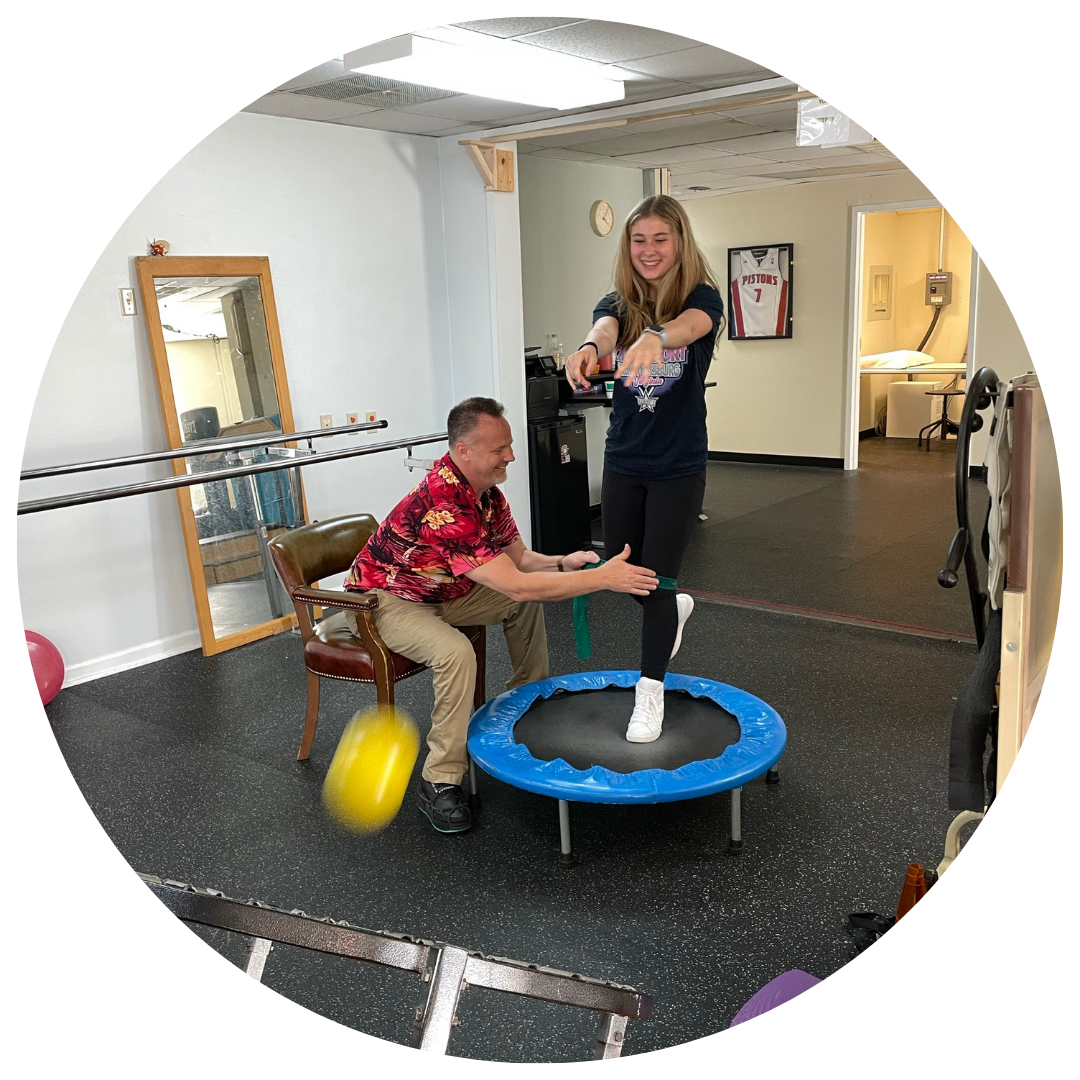
Athletic trainers are highly educated healthcare professionals trained in injury prevention, evaluation, treatment, and rehabilitation. In a clinic setting, they support patients of all backgrounds—post-surgical, injured, deconditioned, or working their way back to daily life or sport.
And what Paul loves most about the profession?
“The excitement, the camaraderie, and the challenge,” he says. “Those rewarding moments on and off the sideline.”
How Athletic Training and Physical Therapy Work Together
At TTN, athletic training and physical therapy don’t operate in silos. They intersect constantly, each discipline bringing a unique lens to patient care.
Paul has spent decades working alongside physical therapists, and he describes the relationship simply and powerfully:
“We guide and glide, seeking each other to enhance the patient’s best outcome.”
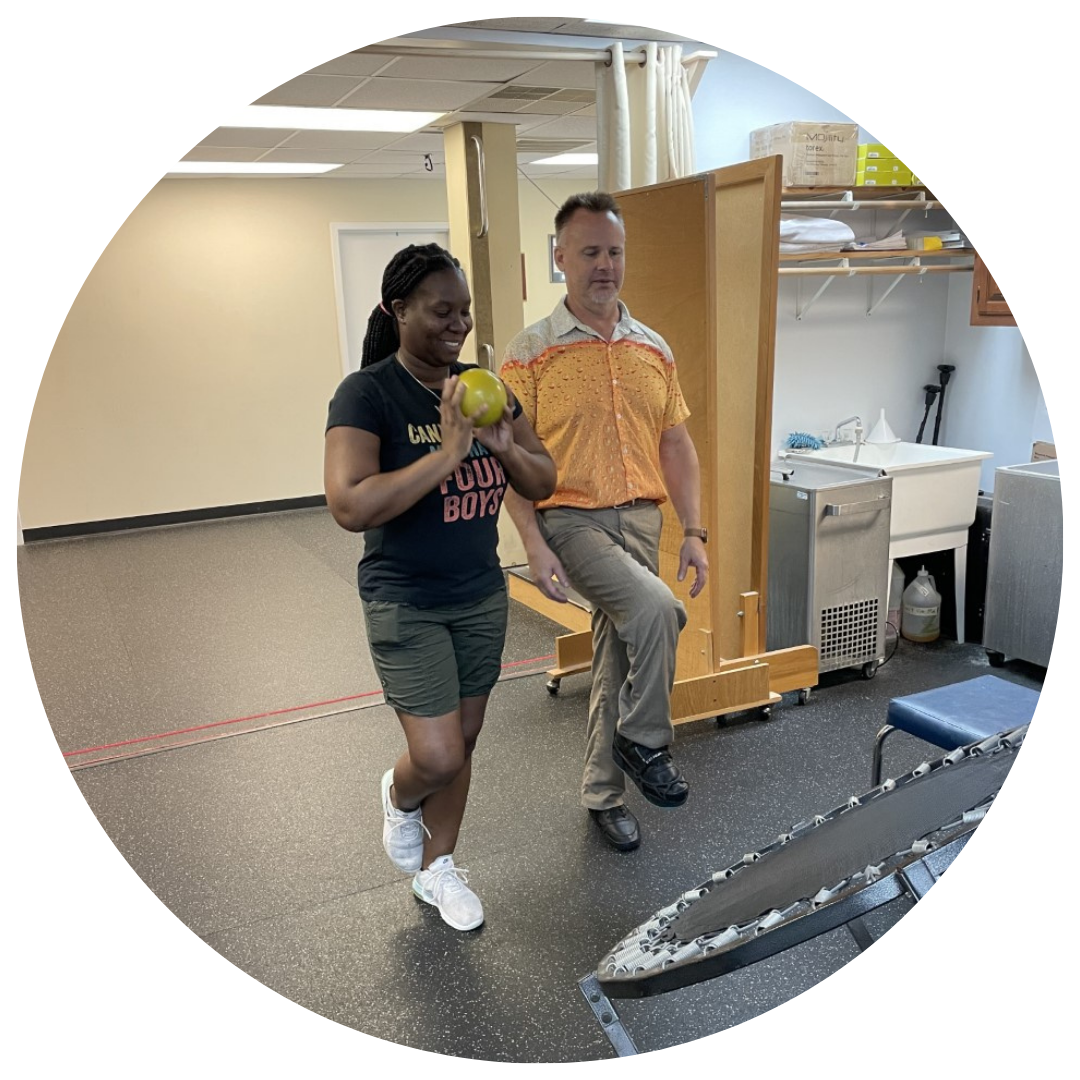
Physical therapists often lead the rehabilitation process, addressing pain, movement dysfunction, and long-term recovery goals. Athletic trainers complement that work by focusing on functional movement, conditioning, confidence-building, and readiness—helping patients bridge the gap between rehab and real life.
Together, the result is seamless care that adapts to where the patient is and where they’re trying to go.
Supporting Patients Through Every Phase of Recovery
Paul’s athletic training background allows him to connect with patients in a unique way—especially when recovery feels uncertain or overwhelming.
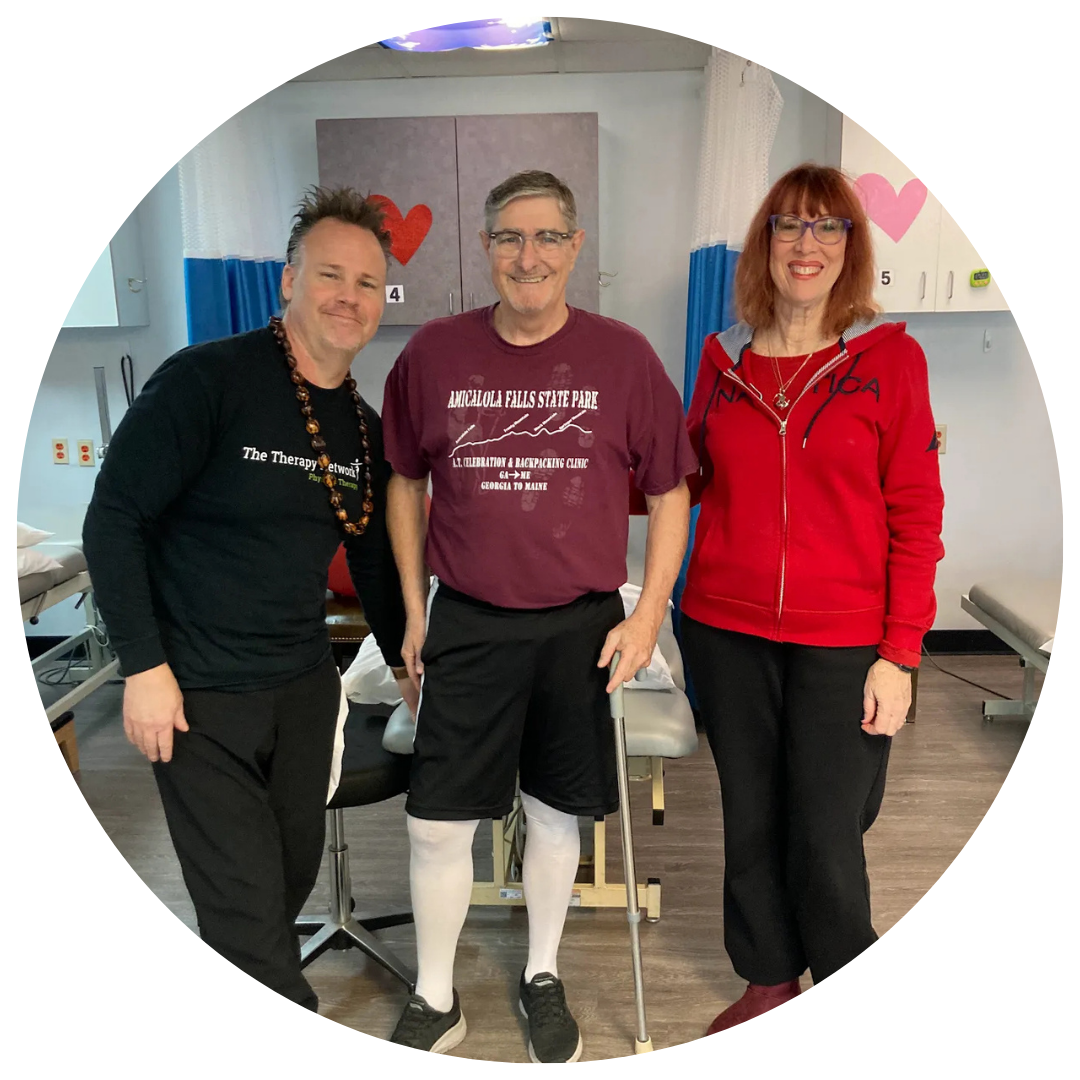
Having been “the unsteady patient” himself, he brings an electrifying motivation to those moments. His secret to success? Belief.
“My motivation comes from knowing the recoverer will recover,” Paul says.
That mindset carries patients through the hard days, the plateaus, and the setbacks. And if you’ve met Paul, you know he has a name for everyone he works with: Superstars. It’s not just a nickname—it’s a reminder of the strength he sees in every person walking through our doors.
Motivation on the Hard Days
Recovery isn’t linear. There are days when progress feels slow, and frustration creeps in. On those days, Paul’s motivation comes from perspective: gratitude for the people who pushed him forward, and the opportunity to now do the same for others.
“I’m extremely thankful for everybody that gave—and continues to give me—a push to stay in the game,” he says. “That’s what I try to reciprocate every day.”
Celebrating Athletic Training Month
National Athletic Training Month is more than a celebration for Paul. It is a moment to celebrate the team, the relationships built with patients, and the positive energy that drives recovery forward. He hopes more people understand the breadth of the profession, the collaboration it requires, and the impact athletic trainers have beyond sports.
Better Together—for Our Patients
At The Therapy Network, collaboration, and heart guide every patient’s journey. When expertise, encouragement, and teamwork come together, patients feel supported in ways that truly make a difference. Because when patients are supported by a team that believes in them—Superstars, all of them—recovery becomes more than a goal. It becomes a journey worth celebrating.