

More Than Just Movement: How Physical Therapy Strengthens Your Foundational Muscles
 by
by 
More Than Just Movement: How Physical Therapy Strengthens Your Foundational Muscles
You probably think of your workouts as the primary way to build strength, but many of the most crucial muscles for stability and long-term health are often overlooked. At The Therapy Network, we know that true strength is built from the ground up. Our physical therapists specialize in re-engaging these foundational muscles to prevent injury, alleviate chronic pain, and restore your full functional health. Discover the hidden heroes of your body and the exercises we use to help you strengthen them.Your core: The body’s natural brace
A stable, strong core is the basis for nearly every movement you make. It protects your spine and forms the foundation for balance and power. Our therapists work to build core strength beyond just the rectus abdominis (the “six-pack” muscles). Transverse Abdominis (TA): This deep core muscle acts like a natural corset, stabilizing your spine.- Exercise: Pelvic Tilts Lie on your back with your knees bent and feet flat on the floor. Place your hands on your hips. Gently flatten your lower back into the floor by tightening your abdominal muscles, as if you’re pulling your belly button toward your spine. Your hips will tilt slightly upward. Hold for 3-5 seconds and then relax.
- Benefit: Strengthens your deep abdominal muscles and lower back, promoting spinal alignment and reducing pain.
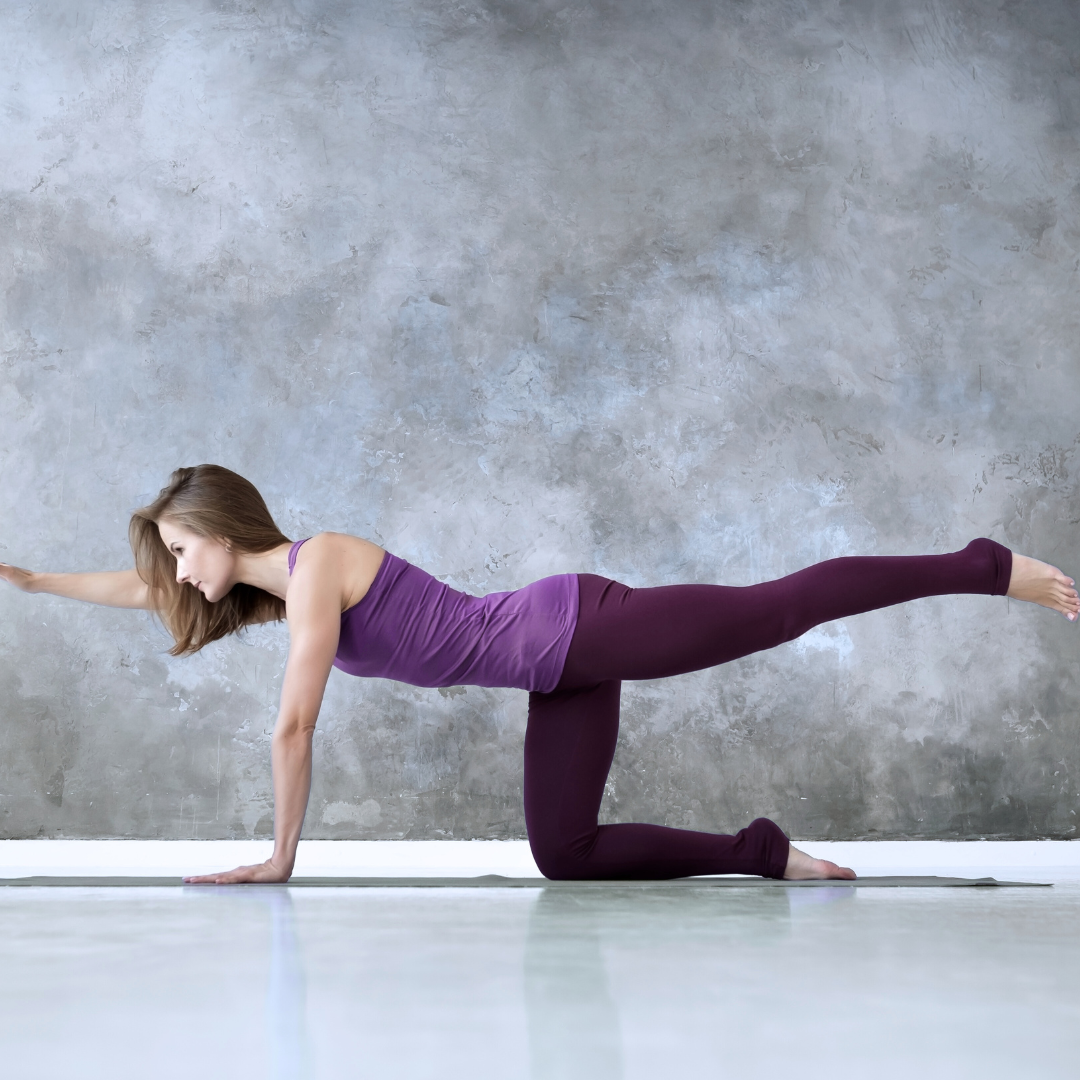
- Exercise: Bird Dog. Start on your hands and knees, with your hands directly under your shoulders and your knees under your hips. Maintain a flat back as you extend one arm and the opposite leg, keeping them level with your torso. Avoid letting your hips or lower back sag. Hold for a few seconds before returning to the starting position and repeating with the other side.
- Benefit:Improves balance and stabilizes the spine, which is key for reducing lower back pain.
- Exercise:Diaphragmatic Breathing. Lie on your back with knees bent and place one hand on your chest and the other on your belly. As you slowly inhale through your nose, your belly should rise, while the hand on your chest remains relatively still. As you exhale slowly through your mouth, your belly should fall.
- Benefit:This technique calms the nervous system, is essential for core stability and posture, and improves pressure regulation in the abdomen, which is critical for pelvic floor health.
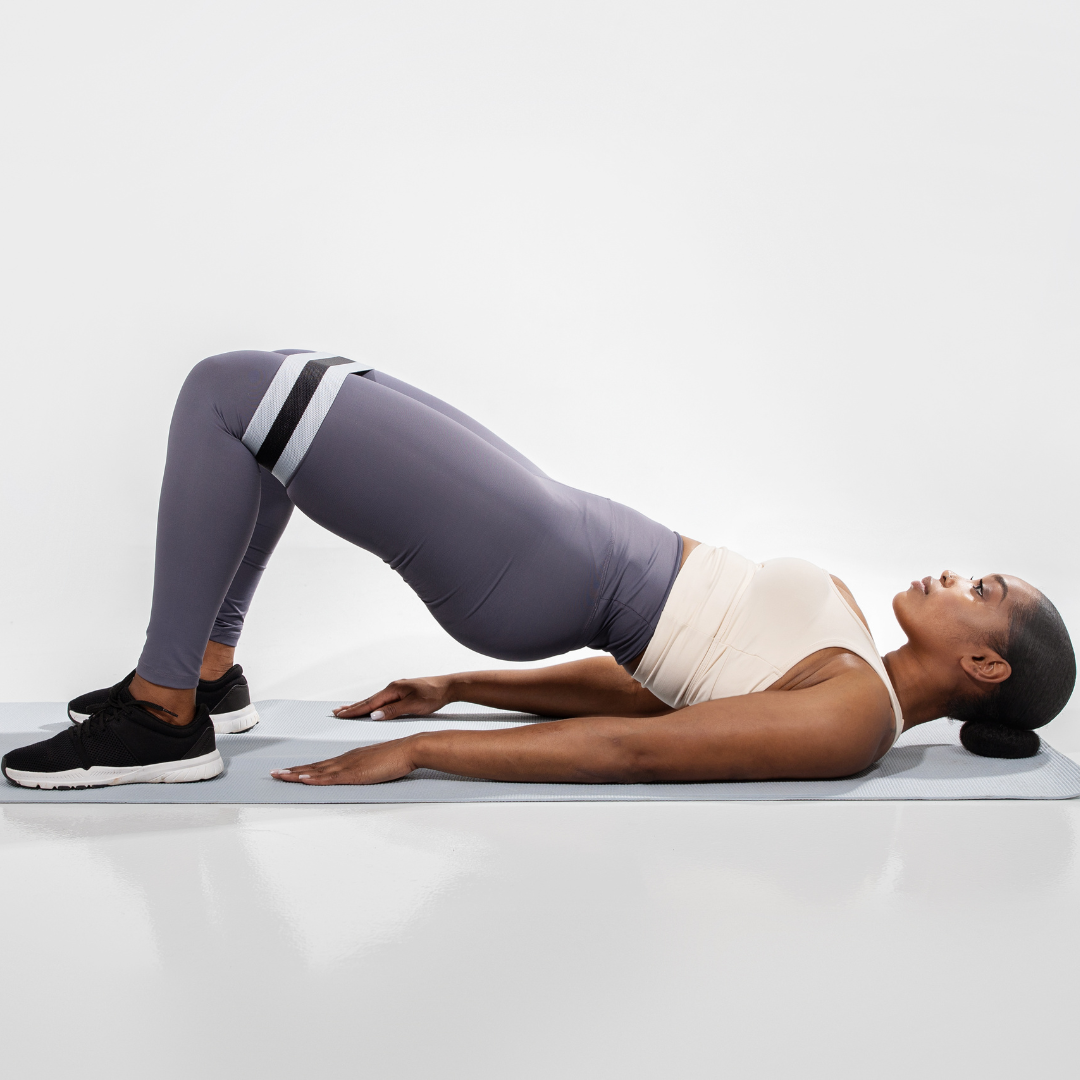
- Exercise:Glute Bridge. Lie on your back with knees bent, feet flat on the floor, and arms at your sides. Squeeze your glutes and lift your hips toward the ceiling until your body forms a straight line from your shoulders to your knees. Hold for a few seconds and then slowly lower back down.
- Benefit:Builds glute and core strength, leading to proper hip function and less strain on the lower back.
Your glutes and hips: The power players
Your gluteal and hip muscles are a powerhouse that often gets sidelined by sedentary habits. We focus on reactivating these muscles to support your back and lower body, so they function correctly and efficiently.Gluteus Medius: This muscle is a primary stabilizer for your hip and pelvis.
- Exercise:Clamshells. Lie on your side with your knees bent at a 90-degree angle and your head supported. Keep your feet together as you lift your top knee toward the ceiling, keeping your pelvis steady. Perform the movement slowly and with control, without rolling your hips back.
- Benefit:Stabilizes the hips and pelvis, preventing pain in the knees and lower back.
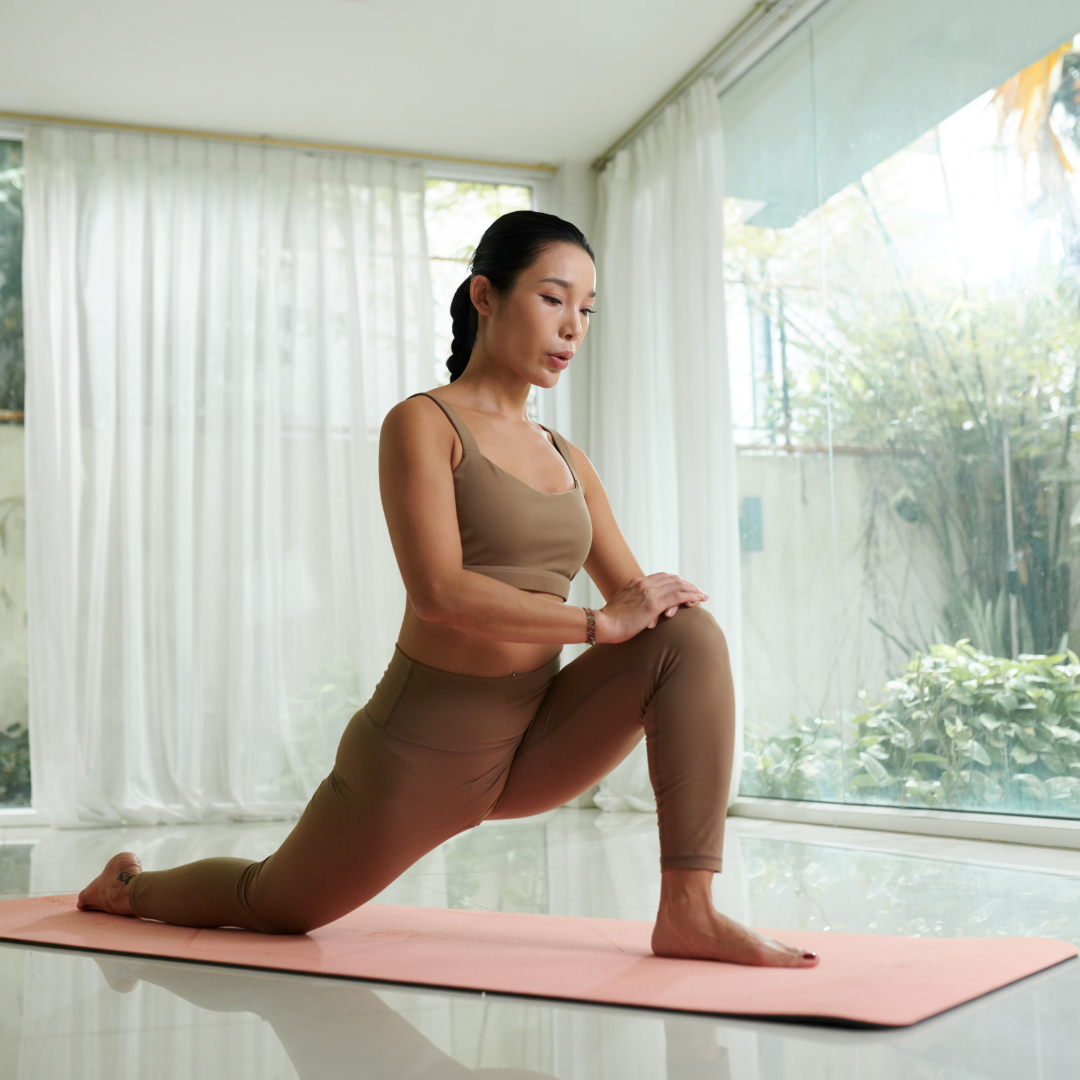
- Exercise:Kneeling Hip Flexor Stretch. Kneel on one knee with the other foot flat on the floor in front of you. Tuck your hips slightly (engaging your glute on the kneeling side) and gently push your hips forward until you feel a stretch in the front of your hip. Keep your torso upright and avoid arching your back.
- Benefit:Releases tension in tight hip flexors, which helps restore proper pelvic alignment and reduce lower back strain.
Rotator Cuff Muscles:
- Exercise:External Rotation with Resistance Band. Stand or sit, holding a resistance band with your elbows bent at 90 degrees and tucked into your sides. Keep your upper arms stationary as you slowly rotate your forearms outward, stretching the band.
- Benefit:Strengthens the rotator cuff, increasing shoulder stability and reducing the risk of injuries, especially for overhead movements.
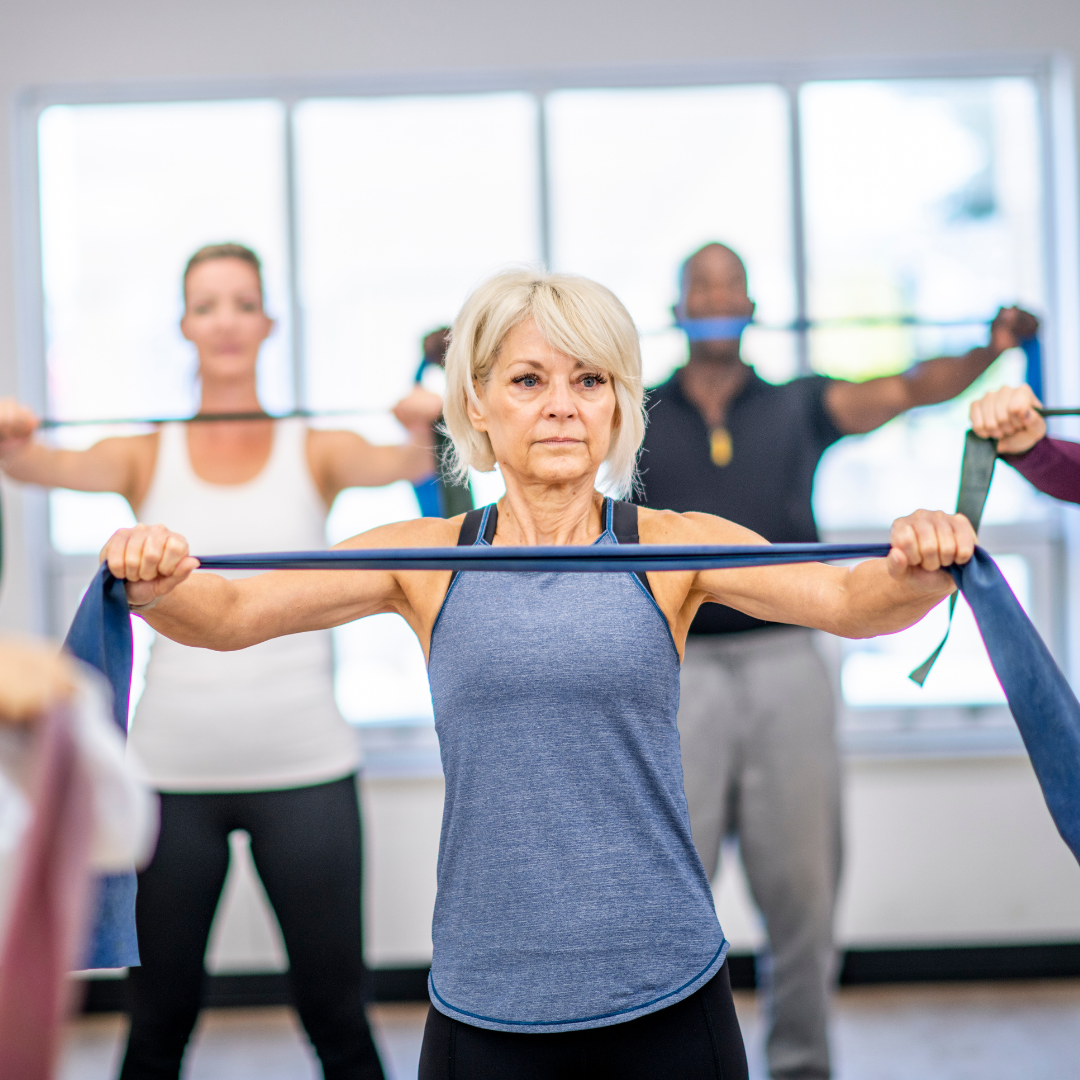
- Exercise:Band Pull-Aparts. Hold a resistance band in front of you with both hands, palms down, at shoulder height. Squeeze your shoulder blades together as you pull the band apart, keeping your arms straight. Control the movement as you slowly return to the starting position.
- Benefit:Strengthens the upper back to counteract rounded shoulders and improve posture.
Ready to build a stronger foundation?
At The Therapy Network, we don’t just treat symptoms; we empower you with the strength and stability you need for long-term health. Whether you’re dealing with chronic pain, recovering from an injury, or want to improve your functional mobility, our expert team can help. Don’t wait for pain to take over. Schedule your appointment today!